Most business owners reach a point where working harder stops feeling like the answer.
The business is growing. Customers are coming through the door. Revenue is increasing. Yet, despite all the effort, progress can start to feel harder to achieve. Decisions become more complex, teams become larger, systems start to creak, and what once worked no longer seems enough.
So, what happens next?
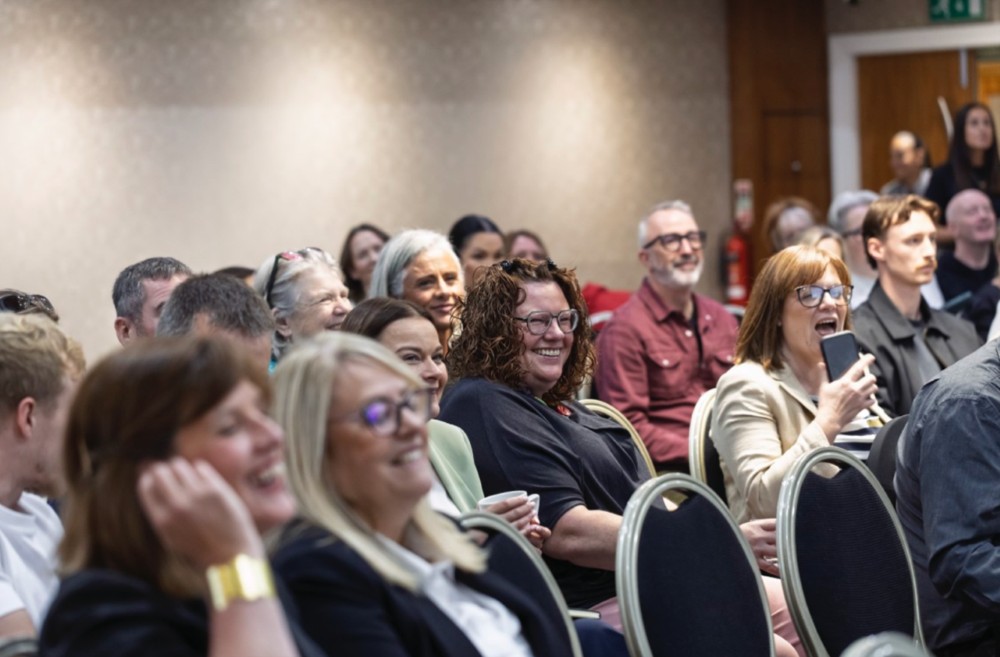
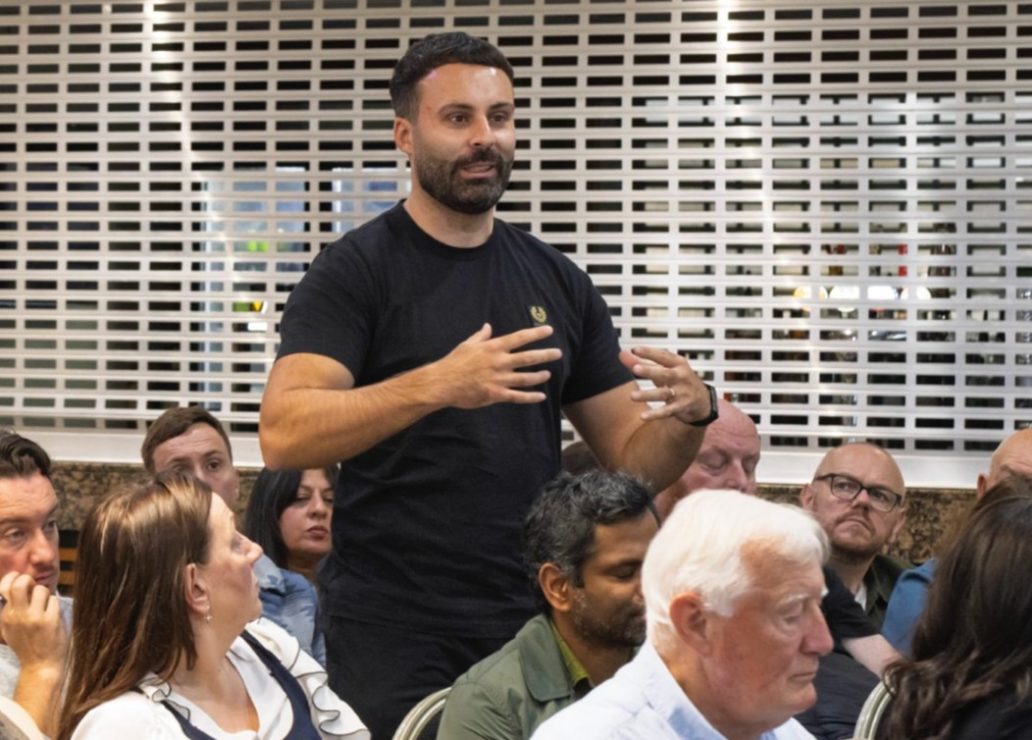
That question was the focus of our latest Growth Lab: Should I Scale or Should I Grow? which brought together more than 100 business owners, founders and leaders to explore one of the most important decisions growing businesses face.
The session was designed for local businesses that have already achieved a great deal but are wondering what steps to take next.
Business Transformation Strategist, Vistage Chair and BIC Board member Andrew Marsh opened the discussion and was joined on the panel by four local founders who have each navigated that journey in very different ways:
- Deborah Wylie, founder of Little Angels, which has grown from a single nursery into a group operating across multiple locations
- Dean Benson, founder of ecommerce and technology business Visualsoft, which has grown from a start-up to a multi-site operation employing hundreds of people
- Kevin Beales, founder of MySalesCoach and previously founder of two successful technology businesses
- Jill Robson, founder of A Star Attendance Solutions, which supports more than 500 schools from across the UK to improve pupil attendance
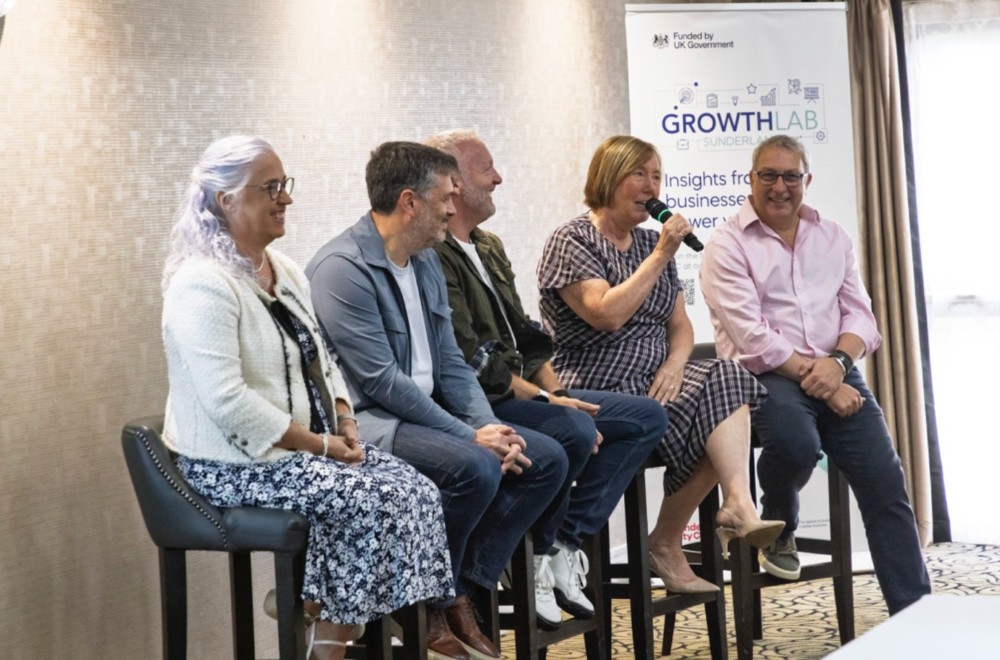
Together they shared honest reflections on growth, setbacks, scaling, leadership, investment and culture, drawing on decades of collective experience to reveal what worked, what didn’t, and what they wish they’d understood much earlier in their own journeys.
Here are ten lessons learned that could help you navigate your own next stage of growth with greater clarity and confidence.
1. Growth and scaling are not the same thing
One of the biggest myths challenged during the event was the idea that growth and scaling mean the same thing. Though many business owners use the two terms interchangeably, they describe two very different journeys.
As Andrew explained: “Growth is about getting bigger. Scaling is about getting bigger while becoming more efficient.”
Growth typically increases both revenue and costs – adding more hands to do more work. Scaling allows revenue to grow faster than costs – building systems, technology and processes that do the work for you.
2. Most businesses need to grow before they can scale
Businesses cannot jump straight to scaling. Before a company can scale successfully, it must first prove demand, understand what works and build the right systems to support future growth.
As Andrew put it: “You cannot leapfrog. You cannot go from growth and immediately scale. It doesn’t work.” He described the journey as: Survive > Grow > Systemise > Scale > Optimise
For many businesses, the missing step is systemisation: understanding workflows, creating repeatable processes and building the foundations that make scaling possible.
3. Scale only happens when growth becomes intentional
Many founders start by reacting to opportunities. Those opportunities spark growth. But sustainable growth requires a shift in mindset.
Reflecting on the growth of Little Angels, Deborah said: “For us, growth was very opportunistic. We didn’t really scale until I became intentional about it. When you start to be more intentional and have a proper plan, that’s when the magic can happen.”
4. Founders often become the bottleneck
As businesses grow, founders can become trapped in the centre of every decision, every customer issue and every opportunity.
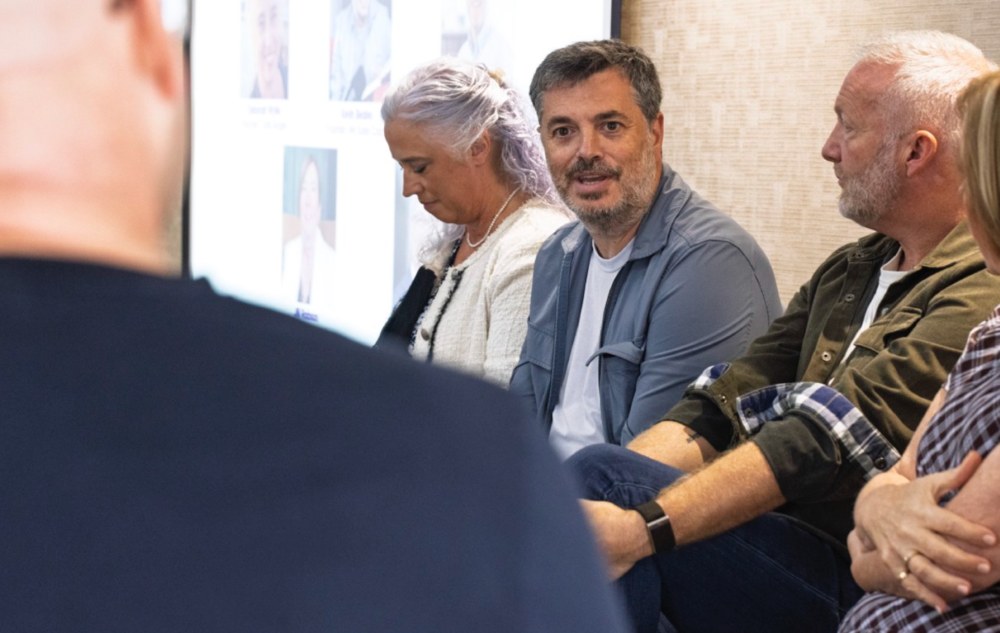
Kevin described one of his businesses as “a giant Jenga.” The company continued growing, but the systems underneath it struggled to keep pace. Without creating a more scalable platform he knew it would tumble.
Similarly, Jill Robson, talked about managing around 200 clients almost entirely herself before reaching a point where the business simply couldn’t continue without building a team.
Eventually she realised: “If I continued like this, the business wasn’t going to succeed because I was burning myself out.”
5. Growth requires letting go
Building a bigger business often means doing less yourself. That isn’t always comfortable but it can make all the difference.
Andrew described the role of the founder as needing to evolve from doing everything to enabling others. He argued that good leaders eventually move from providing all the answers to asking better questions.
Dean explained how he ultimately “sacked himself” as CEO after bringing private equity into Visualsoft. The business needed a different leadership structure for its next phase of growth.
6. Culture gets harder to maintain as businesses get bigger
Culture happens naturally in small teams. Maintaining it at scale takes deliberate effort.
What works with a close-knit team of ten people often becomes much harder with 30, 50 or 100. Will future employees be as invested in the mission and culture as those who were there at the beginning?
Kevin acknowledged that growth often requires the founder to accept a difficult reality: “The people that got you there are not the people that are going to get you through the next stage. And that’s okay.”
Maintaining culture isn’t about preserving everything exactly as it was. It’s about intentionally developing the systems, leadership and communication needed to support the next phase of growth.
7. The right people change everything
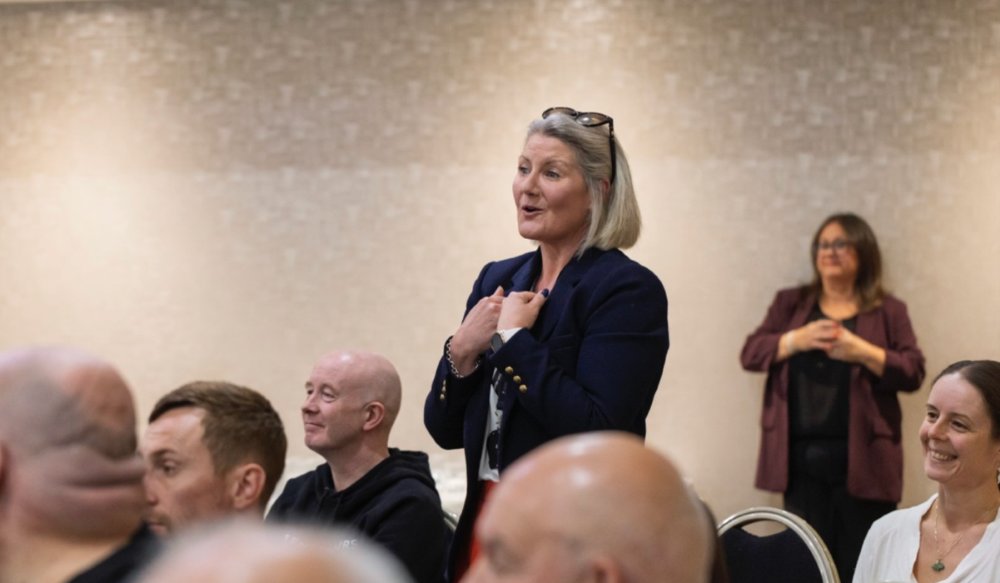
The importance of surrounding yourself with great people was a theme every panel member agreed on. Dean repeatedly returned to the importance of hiring people who were smarter than him in specific areas and bringing in a senior leadership team that never wants to leave because they feel so valued.
Jill added: “I’m very good at surrounding myself with the right people.”
Andrew challenged business owners to think differently about hiring talent. He encouraged founders to ask themselves a fundamental question: “Do I have a lifestyle business, or do I have a business I want to grow?” The answer, he argued, determines everything from leadership style to recruitment decisions.
And he encouraged founders to be honest when people are no longer a right fit: “put them back into the economy” so both the individual and the business can thrive rather than holding onto them for the wrong reasons.
8.Investment isn’t always the answer
Investment isn’t simply about getting cash. It fundamentally changes the relationship between founder and business.
With hindsight, Jill wished she’d taken investment, reflecting that additional funding at the right point could have accelerated growth before competitors entered the market.
However, Kevin highlighted that investment isn’t right for every business or the personal goals of their founders. For many, the reasons they started a business in the first place might not be compatible with external investors and the expectations that come with them.
9. Personal growth drives business growth
Businesses often grow only as far as their leaders are willing to grow themselves.
Deborah spoke candidly about leadership development, confidence, and receiving an ADHD diagnosis. She said she became a stronger leader once she had invested the time in understanding herself, and this had: “unlocked my self-belief”.
10. Trust your instincts
Growth isn’t always about strategies and systems. Sometimes the biggest challenge is believing in yourself and backing your own judgement. The path of the entrepreneur is strewn with self-doubt and imposter syndrome. This can lead to ignoring warning signs and delaying difficult decisions.
Yet Andrew argued that founders frequently know the right decision before they consciously act on it.
He suggested keeping what he called a “gut diary” where instincts about situations are recorded and checked. “Write it down and I bet you’re right,” he said. “Something happens in our gut that tells us what’s probably the right thing to do. Trust that gut feeling.”
What I wish I’d known
If they were starting again, what would each panel member do differently?
Jill Robson, A Star Attendance Solutions:
“I should have taken investment.”
Looking back, Jill believes she underestimated the size of the opportunity she had created and could have accelerated growth earlier with investment.
Dean Benson, Visualsoft
“I wouldn’t do anything differently.”
Despite the setbacks, mistakes and challenges, Dean concluded these experiences had ultimately shaped the entrepreneur he became.
Kevin Beales, My Sales Coach
“I should have surrounded myself with more mentors and coaches early on. Having someone that doesn’t have their own agenda other than to help you is golden.”
Kevin’s key lesson was not to wait until you’re struggling to seek advice. The right mentor, coach or sounding board can dramatically shorten the learning curve.
Deborah Wylie, Little Angels
“My advice to other founders is to eat your frogs. Sort out your own angst and build yourself as you build your business.”
For Deborah, the biggest lesson was to invest in herself, her leadership and her personal development. She reflected that receiving an ADHD diagnosis helped her better understand her strengths and challenges as a leader.
Andrew Marsh, Vistage Chair
“I’d believe my gut more.”
Too many important decisions, he said, were delayed at the beginning, despite knowing instinctively what needed to happen.